TREAT BACK PAIN ONLINE
Text with a medical provider now. Just $49 for your first month of unlimited chats or $73 for a one-time visit. No appointment, no insurance required.
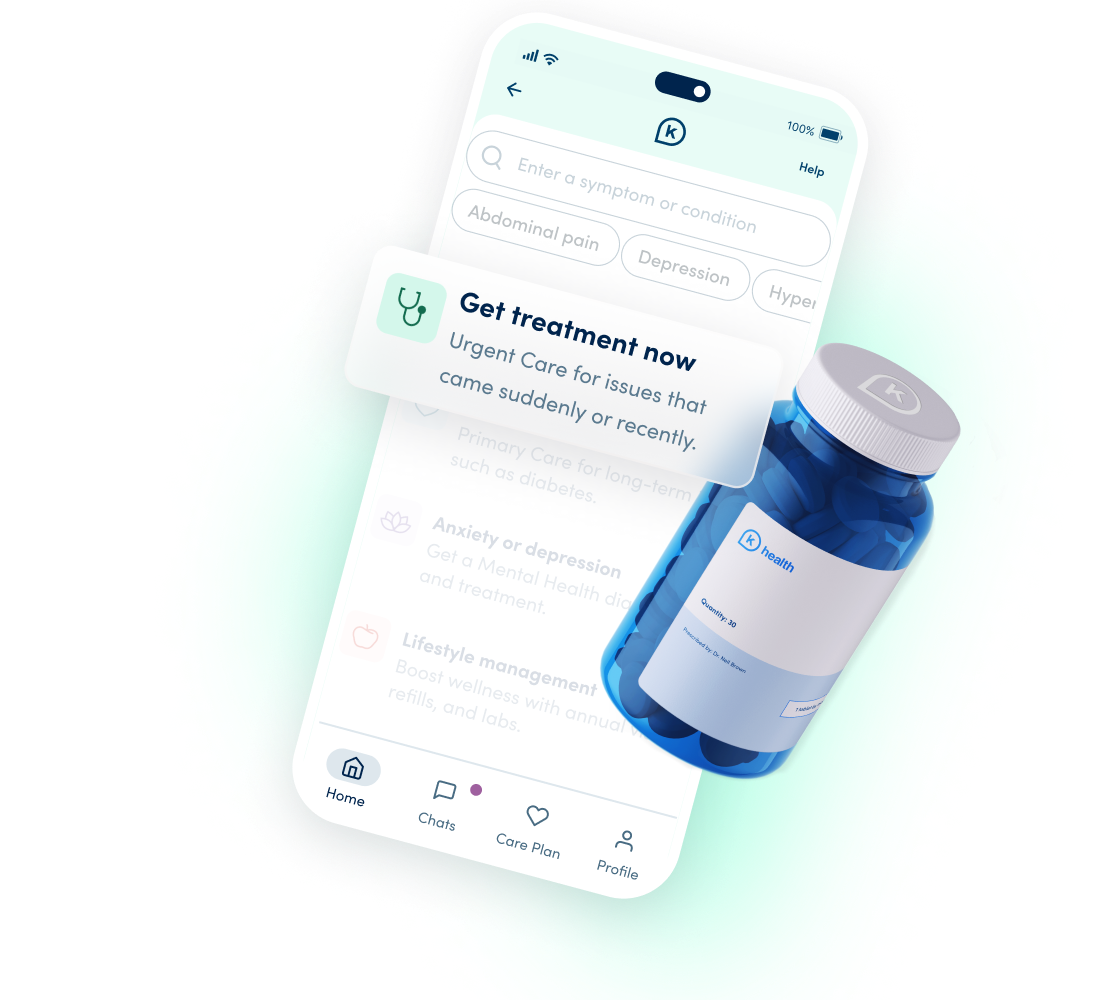
Available in all 48 continental US states. Not available in Alaska or Hawaii.
K Health memberships are not insurance and exclude ancillary services (e.g., labs, equipment, cost of medication, etc). See Terms of Service.
DON’T REMAIN IN PAIN
GET STARTED
Stephanie Foley, MD

Neil Brown, MD

Heather Hylton, MS, PA-C

Lynn Byars, MD

David Morley, MD
See a medical provider you trust
-
Our licensed providers were trained at top-tier medical institutions
-
They use advanced health AI technology to provide you with personalized care
-
And they’re available 24/7, just a text away
LEARN MORE
What to Know About Back Pain

What are the different types of back pain?
Back pain is relatively common, and most of us will experience it at some point. There are three main types of back pain:
- Acute: This pain happens suddenly—for instance, an injury or accident may cause it—and it generally lasts a few days or weeks.
- Subacute: This pain can come on suddenly or gradually and usually lasts 4-12 weeks.
- Chronic: This pain is ongoing and typically lasts 12 weeks or more.
You can also experience pain in different parts of your back. In most cases, you’ll have either lower or upper back pain. Lower back pain is more common, and it’s defined as pain anywhere in your back below your ribcage. This part of your back is more prone to pain and injury because it supports most of your upper body’s weight. The pain may feel sharp or like a dull, sore ache.
Upper back pain affects the upper part of the back, also known as the thoracic spine. This pain is often caused by bad posture, overuse, injury, fractures, and more. If you spend a lot of time sitting at a desk and working at a computer, you might experience this type of pain. It’s often accompanied by neck and shoulder pain.
What causes back pain?
There are many causes of back pain, and they range from seemingly benign to severe. While a serious accident can make your back hurt, simply sitting at a desk for too many hours without stretching can also cause pain.
As you get older, your chances of experiencing back pain increase. This means it’s particularly important to understand the causes and risk factors that can contribute to back pain.
Some possible causes include:
- Injuries: It can be surprisingly easy to injure your back. You might experience a strain, fracture, or muscle spasm. Having very tight, tense muscles in your back can also contribute to strains and spasms. Another common cause of back pain is having herniated disks—this happens when there is an injury to one of the smooth, rubbery disks located between each vertebra.
- Structural problems: Abnormalities in your spine’s structure can cause pain, such as herniated disks, degenerative disk disease, fractures, scoliosis, and spinal stenosis (narrowing of the spinal column).
- Inflammation: Several health conditions can cause inflammation in the spine. Examples include ankylosing spondylitis and other types of inflammatory arthritis. Doing too much of the same movement can also put strain on your back and contribute to inflammation. This is especially common in physical jobs, such as construction work, manual labor, and childcare.
- Other health conditions: A variety of other health conditions can cause back pain. Some examples include osteoporosis, bone infections, tumors, fibromyalgia, endometriosis, kidney stones, and pregnancy.
- Lifestyle factors: Your posture, how you sleep, obesity, poor fitness levels, and other factors play a role in how likely you are to experience back pain.
What are the symptoms of back pain?
The main sign of back pain is having pain anywhere in the back. However, it can cause other symptoms like:
- Aching
- Numbness
- Tingling
- Stiffness
- Soreness
- Weakness
Your back pain might come and go, or it might get worse or better at different points in the day. For example, some people find that their back pain is worse when they first wake up in the morning. Be cautious with back pain that includes bowel or bladder retention or incontinence, as this can indicate an emergency neurological condition.
What’s the best treatment for back pain?
Mild to moderate back pain typically gets better with rest, home remedies, and over-the-counter (OTC) pain relievers. If you’re experiencing this type of pain, you can try home treatment methods like:
- OTC medication: Nonsteroidal anti-inflammatory drugs (NSAIDs) such as ibuprofen (Advil) and naproxen (Aleve) can relieve pain.
- Heat: Warm compresses can help tight, sore muscles and may promote healing.
- Cold: If your back is swollen, cold packs can help reduce inflammation and pain.
- Rest: Avoid strenuous activities or movements that aggravate your back. However, avoid staying in bed or sitting still all day—limited amounts of gentle movement can help your back strength and mobility.
If home remedies don’t relieve your pain, it’s time to speak with a healthcare provider. They can recommend the best course of treatment based on the cause of your pain and medical history. For example, they may recommend physical therapy, lifestyle changes, and medications or medical treatments tailored to your condition.
How to prevent back pain?
As we get older, we’re all more likely to experience back pain. However, you can take steps to reduce your risk by staying healthy and active. Get regular exercise and aim to incorporate core and back strengthening exercises. Stretching and yoga can also reduce your risk of pain and injuries.
It’s also important to focus on maintaining good posture. If you spend a lot of time sitting at a desk, invest in a quality chair that has adequate back support and adjustable armrests. A standing desk or frequent standing and movement can help as well.
What pain relievers are best for back pain?
There are several different types of medications that can help with back pain. While some are available OTC, others require a doctor’s prescription.
- OTC pain relievers: You can try acetaminophen (Tylenol), naproxen (Aleve), or ibuprofen (Advil).
- Muscle relaxers: These work by relieving back tension and preventing spasms, but they require a prescription. Examples include cyclobenzaprine (Amrix) and methocarbamol (Robaxin, Robaxin-750).
- Prescription pain relievers: If OTC options don’t help your back pain, your medical provider may prescribe a stronger medication like codeine or tramadol.
- Antidepressants: Certain antidepressant medications may help chronic lower back pain. Some medications your doctor may prescribe include amitriptyline (Elavil) and duloxetine (Cymbalta).
Does stretching help back pain?
Yes, stretching can help back pain. For example, if you have lower back pain caused by muscle tightness, gentle stretching will help to relieve your pain. It’s important to go slowly, stretch gently, and avoid any movements or stretches that are painful. If a stretch or yoga pose makes your pain worse, stop right away.
Can back pain be treated online?
Yes, you can treat back pain online by seeing a healthcare provider virtually. First, they’ll likely ask about your symptoms, how long symptoms have been present, and if you’ve had back pain in the past. They’ll also ask you to describe your pain and when it started. If they are able to determine the most likely cause, they can recommend a course of treatment or refer you to a specialist.
It’s a good idea to make an appointment with a healthcare provider if you’ve experienced:
- Back pain that doesn’t improve
- Severe back pain that impacts your daily life
- Back pain after a significant injury
- Numbness and tingling
- Fever
- Weakness in your legs
- Incontinence
- Unintended weight loss

Frequently asked questions
How do I get my prescription?
If one of our K Health-affiliated clinicians believes it’s medically appropriate, they’ll write a prescription and send it to a local pharmacy of your choice. To get a prescription, you’ll need to submit:
- Your home address
- The address and name of the pharmacy you want the prescription sent to
- A selfie for us to compare to your ID card photo to verify your identify
Recommended content
All articles