GET MIGRAINE RELIEF ONLINE
Chat with a medical provider without leaving your home. Manage migraine symptoms and medications for only $49 for your first month.
HOW IT WORKS
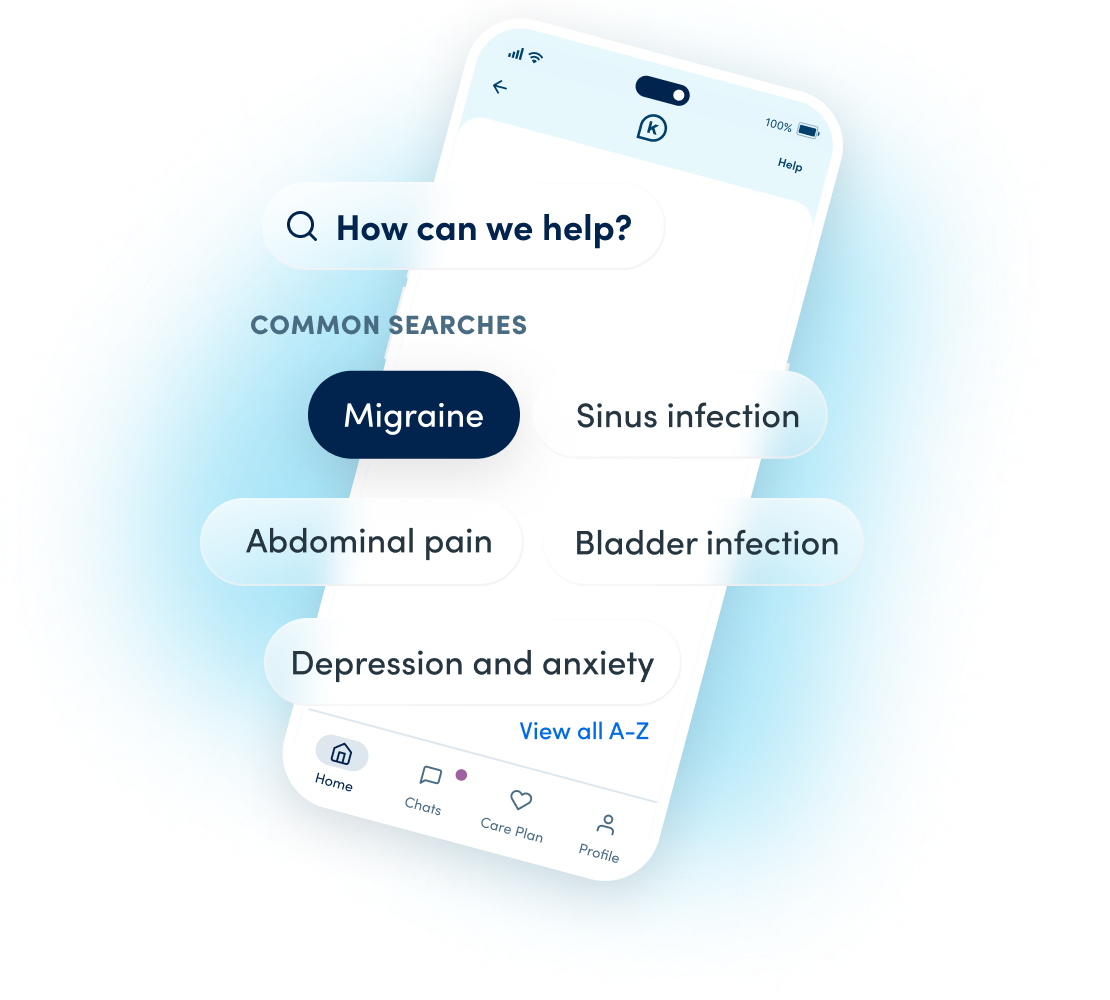
Migraine management made easy—all from your phone
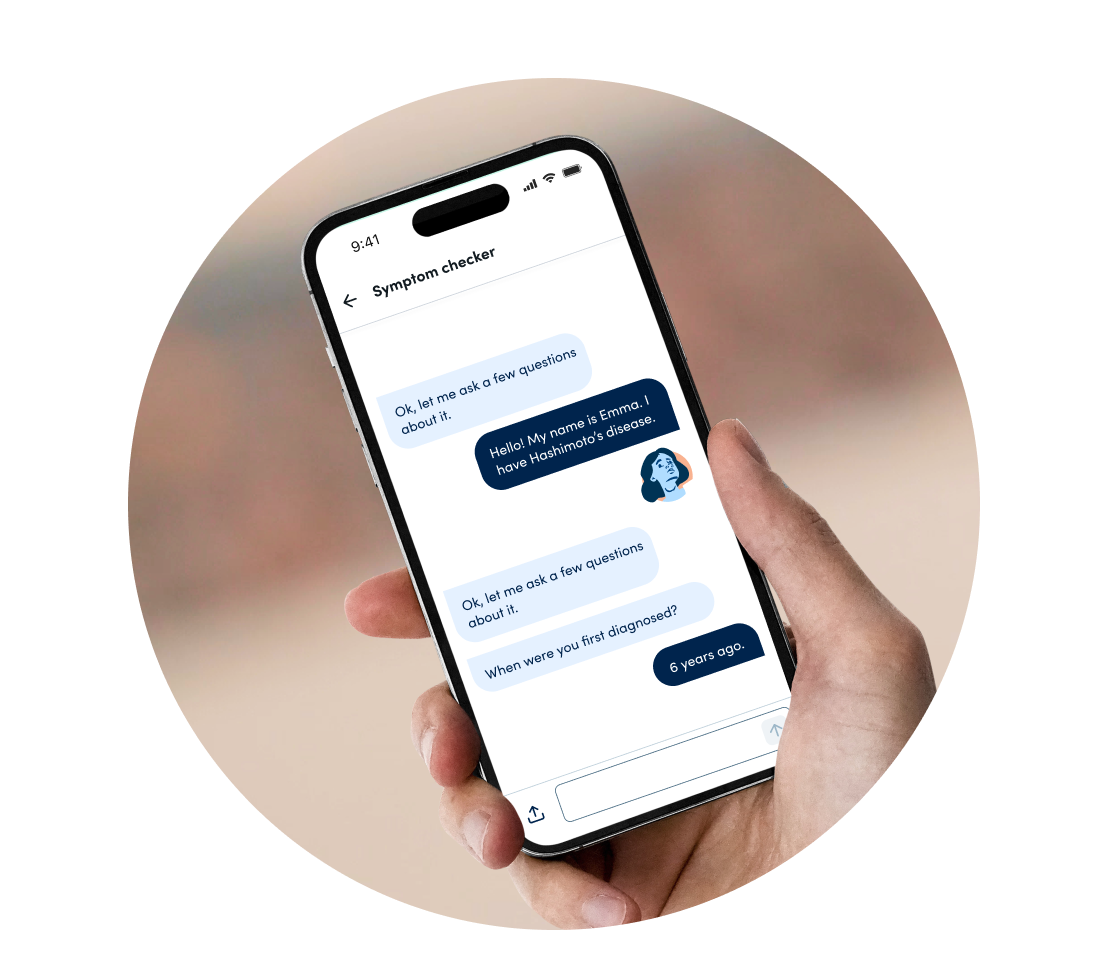
Tell us about yourself
Our smarter, faster, virtual intake process gets your doctors the info they need to care for the whole you.

Get care on your schedule
Text us when you’re free—we make ourselves available day and night. For virtual check-ins, refills, and more.

Manage your health with ease
We’ll help you stick to your plan for managing a chronic disease*, changing a habit, and living healthier—by phone.
LEARN MORE
Migraine FAQs
Can I get migraine treatment online?
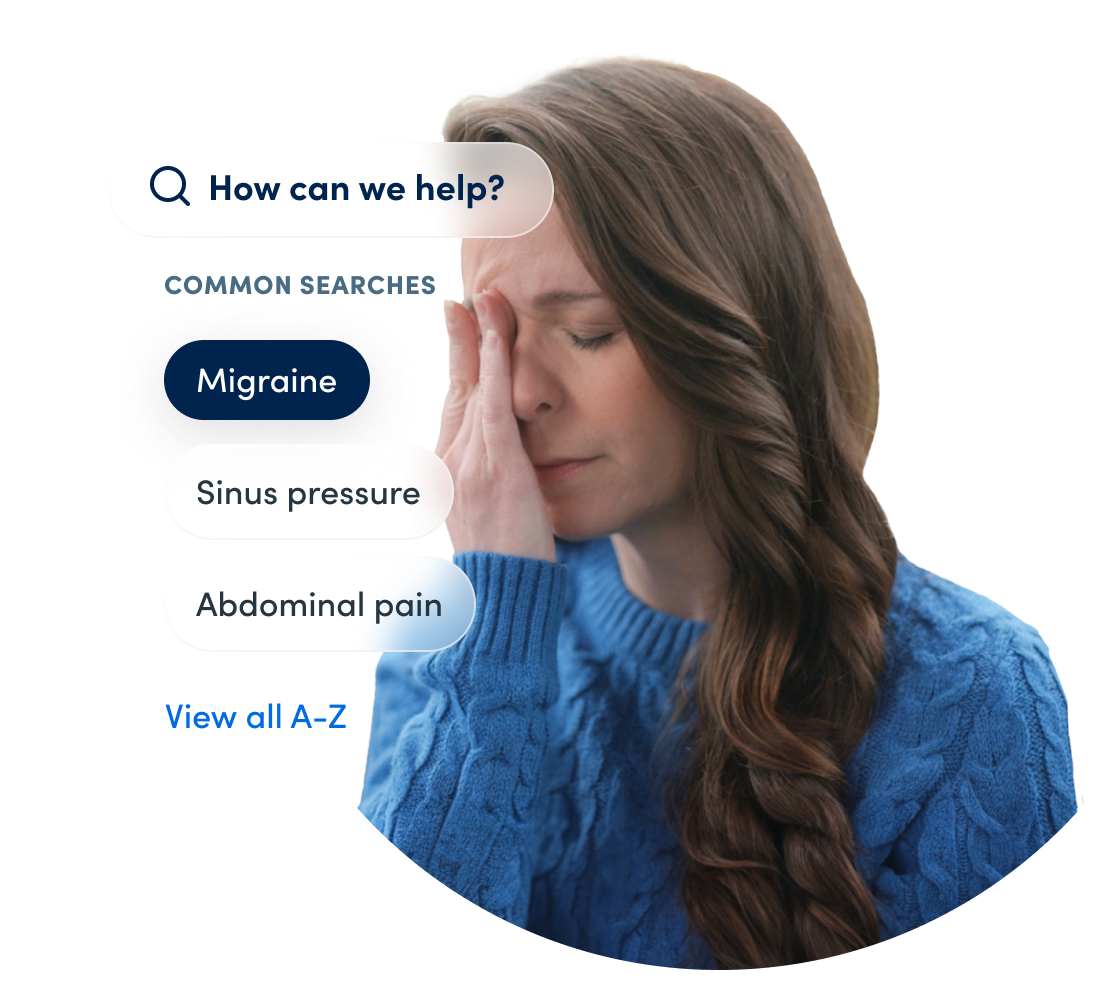
Yes, you can get migraine treatment online. If you have a headache, need urgent care, or want to speak to a provider, you can use the K Health app to connect with a medical provider in minutes — all from home. You can also use the K app to assess your symptoms and learn how people your age with similar symptoms were diagnosed and treated.
A K Health provider can assess your symptoms and might be able to send a prescription to your pharmacy depending on the details of your symptoms and history.
Do I need to see a doctor to get migraine treatment?
If you have migraines and need medication that is stronger than over-the-counter pain relievers, you will need to see a medical provider.
The type of healthcare provider you need to see for migraine treatment depends on many factors, including:
- Your age
- Your health history
- Other medical conditions that you have
- Other prescription medications that you take
Primary care providers are usually the first stop for people suffering from migraines. In some cases, that is all a patient needs to find relief. Some patients who have more frequent or severe migraines, underlying medical conditions, or other concerns may require treatment by a neurologist, a medical specialist who focuses on treating pain and disorders of the brain and central nervous system. Your primary care provider will refer you to a specialist if there is a need for that.
What is used to treat migraines?
There are many ways to treat migraines. While migraines are relatively common, they can cause debilitating pain and make it hard to function in daily life. There are no cures, but the following medications can be effective:
- Over-the-counter pain relievers: For some, OTC painkillers are effective for managing migraines, especially when they are taken soon after the pain begins. Options include ibuprofen (Motrin, Advil), aspirin, naproxen (Aleve), acetaminophen (Tylenol), and combination medicines like Excedrin, which pair pain relievers with caffeine.
- Triptans: When OTC pain relievers are not effective, triptans may be prescribed for acute migraines. These include medications such as sumatriptan (Imitrex, Sumavel DosePro, Alsuma, and others), eletriptan (Relpax), Naratriptan (Amerge), rizatriptan (Maxalt), almotriptan (Axert), and others. Triptans are not prescribed to people who have or may be at risk for hypertension (high blood pressure).
- CGRP antagonists: This type of medicine is newer and targets proteins in the brain that worsen migraine pain. These types of drugs include rimegepant (Nurtect ODT) and ubrogepant (Ubrelvy).
- Anti-nausea medications: Sometimes, the worst part about migraine is how nauseous it makes you feel. Antiemetics may be prescribed alone or with other migraine medications to treat nausea and vomiting. These include metoclopramide (Reglan), ondansetron (Zofran), prochlorperazine (Compazine), and promethazine (Phenadoz, Phenergan, Promethegan).
How can I prevent migraines?
A healthcare provider may recommend preventive medication if you experience frequent migraines more than four times per month. These could help reduce the frequency of migraines. Preventive medications for migraine include:
- Beta-blockers (propranolol, timolol, bisoprolol, metoprolol, atenolol, and nadolol)
- Calcium channel blockers (verapamil)
- CGRP monoclonal antibodies (erenumab-aooe, fremanezumab-vfrm, galcanezumab-gnlm, and eptinezumab-jjmr)
- Selective serotonin reuptake inhibitors (SSRIs)
- Tricyclic antidepressants
- Serotonin-norepinephrine reuptake inhibitors (SNRIs)
- Anticonvulsants (piramate, sodium valproate, topiramate, gabapentin)
- Botox injections
Beyond medication, some people may avoid or reduce migraines by learning the things that trigger them and adjusting their lifestyle. Some common migraine triggers include:
- Stress
- Caffeine, alcohol, or other stimulants
- Sleep problems
- Certain foods or food additives
- Hormone changes
- Light sensitivity
- Weather changes
- Dehydration
- Strong fragrances or chemical odors
- Medications
How does K Health treat migraines?
With K Health, you can speak to a primary care provider via the K app. For the right candidates, prescription medications can be given for migraines. A K Health provider will ask you questions about your health, consider your health history, and can even refer you for additional testing if needed.
If you need in-person care or should be seen by an emergency department, a K Health provider will help you determine the best course of action for treatment and relief.
How can I get rid of a migraine?
Migraines are a common neurological problem, impacting 1 out of every 7 adults in the United States. While there is no cure, some tips and remedies may work. Everyone is different, and finding the fastest way to get rid of a migraine for you may take some trial and error.
The following are things to try that may help get rid of a migraine:
- Reduce the lighting if you feel a migraine coming on, or rest in a dark room.
- Use a cold compress on your head and neck.
- Stay hydrated since being dehydrated can be a common migraine trigger.
- Take over-the-counter pain relievers or migraine medicine, if you have it.
- Have some caffeine.
- Massage your neck and head to help release tension and induce relaxation.
- Have a plan for managing stress, anxiety, and other common migraine triggers, like weather shifts, loud noises, bright lights, and missed meals.
- Practice deep breathing, mindfulness, or meditation.
- Consider getting acupuncture.
- Address any physical contributors, like teeth grinding or insomnia.
The most important thing to remember when getting rid of a migraine is that treating it at the first sign can help resolve it faster and prevent it from getting a lot worse. Not everyone can completely avoid one when they notice the signs, but some are able to recognize triggers quickly enough that they can intervene.

Your K Health unlimited membership includes:
-
24/7 text-based Urgent Care
-
Flexible appointments for ongoing care
-
Low-cost generic meds delivered to your door
Avoid the stressful search for care
Join primary care
Frequently asked questions
Do you do annual physicals?
Yes, you can have a virtual annual wellness visit—or anytime check-in—with a licensed clinician on the K Health app. Clinicians are available day and night for wellness visits.